By Jonas Lambæk | Aug 8, 2025 | Aliro Blog
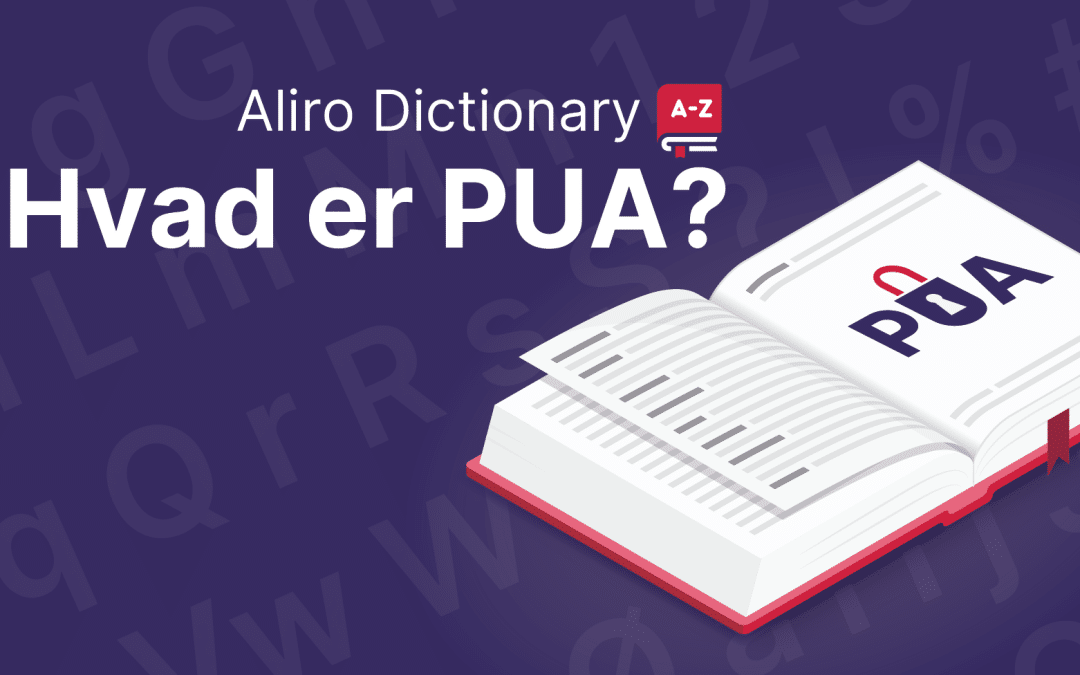
PUA is a hidden pitfall in your documents. PUA stands for Private Use Area in Unicode - and it's a problem in accessible documents. When a PDF contains characters from PUA, it means that the document uses non-standardized character codes that only make sense to the...
By Jonas Lambæk | Aug 8, 2025 | Aliro Blog
You've probably heard of WCAG - but what does it really mean for those who work with documents and communication? Here's a practical guide on how WCAG 2.2 translates to everyday life - especially when it comes to PDFs and other digital documents. What is...
By Jonas Lambæk | Aug 8, 2025 | Aliro Blog
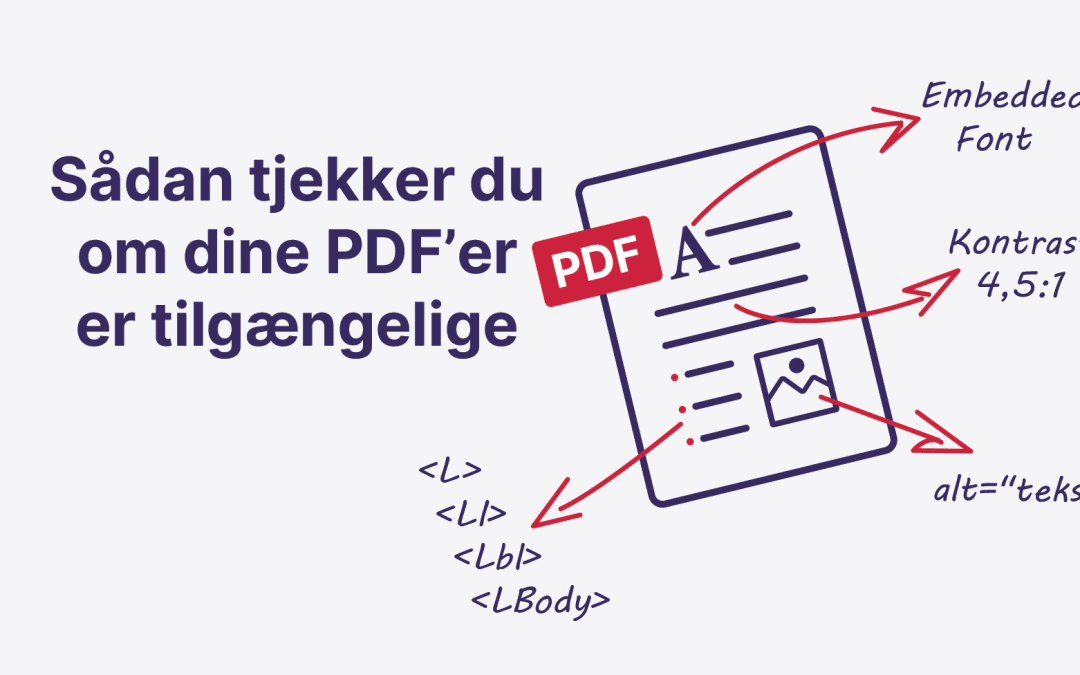
Have you ever wondered if the PDFs you send out are actually accessible to everyone? Many people don't realize how many barriers a "plain" document can create - and how easy it is to check it yourself. Here's a simple introduction to how to...
By Jonas Lambæk | Aug 7, 2025 | Aliro Blog
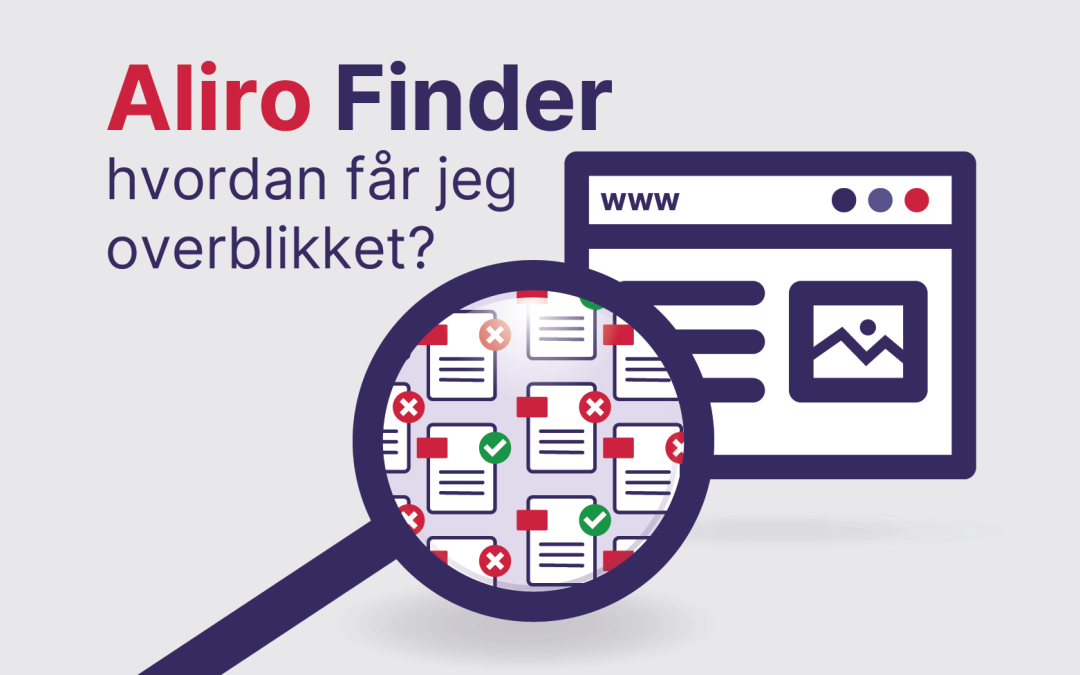
PDFs are everywhere - but are they accessible to everyone? With Aliro Finder, you get a complete overview of the availability of PDF files on your website. All we need is your sitemap. We crawl the entire domain and identify all linked PDFs. Every...
By Jonas Lambæk | Aug 7, 2025 | Aliro Blog
When talking about accessible PDFs according to the PDF/UA standard, specifying the native language (e.g. Danish, English, German) is not optional. It is a requirement. The default language of the document must be defined in the metadata. Why is this? Because screen readers rely on correct...

By Jonas Lambæk | Aug 7, 2025 | Aliro Blog
Imagine you need to retrieve an important form, but you can't see what it says. Or trying to fill out a form with a keyboard, but nothing works. For many people with disabilities, it's a daily challenge when digital documents and applications...