by Jonas Lambæk | April 30, 2026 | Aliro Blog
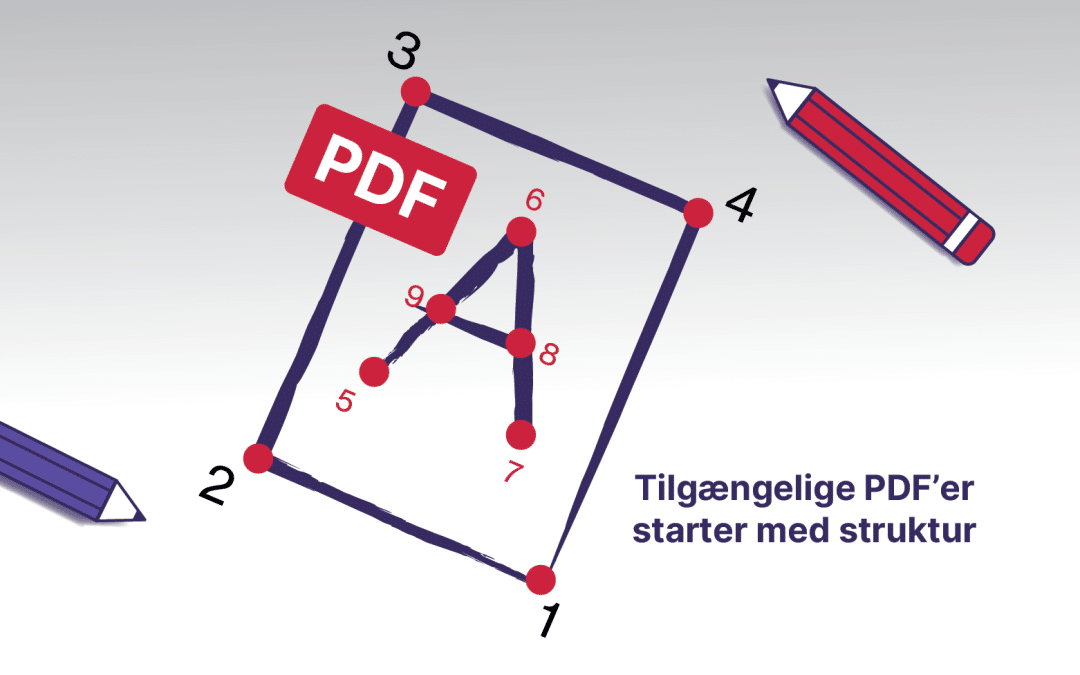
An accessible PDF is not just a file that “meets the requirements.” It is structured, logically organized, and easy to navigate—both for users and assistive technologies. Structure is the foundation of PDF accessibility. Headings, reading order, lists, and tables must be...
by Jonas Lambæk | April 30, 2026 | Aliro Blog
PDF files continue to play a central role in digital communication. Decisions, guidelines, reports, and contracts are widely distributed as PDFs—in both public and private organizations. Therefore, PDFs are not a temporary format that can be avoided. They are a...

by Jonas Lambæk | March 23, 2026 | Aliro Blog
Web accessibility is often viewed as a requirement, but in practice it also holds strategic potential. Accessible documents create better user experiences and build trust in the organization. Today, users expect information to be easy to find and...
by Jonas Lambæk | March 23, 2026 | Aliro Blog
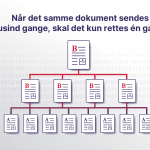
One of the biggest challenges in improving document accessibility is the sheer volume of existing content. Many organizations feel they need to fix everything at once. But an effective approach requires prioritization. Documents that are visible, frequently used, and contain critical...
by Jonas Lambæk | March 23, 2026 | Aliro Blog
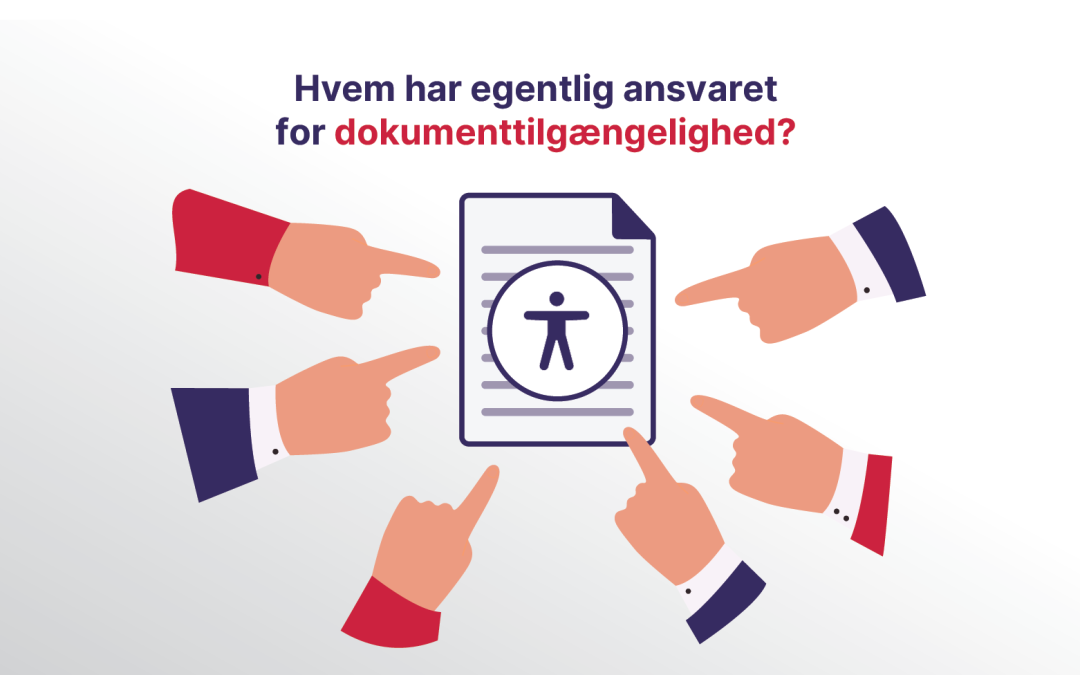
When organizations work on web accessibility, there is often confusion about who is responsible. Documents are produced in many different places, and without common guidelines, the work becomes inconsistent. IT, communications, and business departments all play a role, but without an overview, ...

by Jonas Lambæk | March 23, 2026 | Aliro Blog
A lack of document visibility comes at a cost—even if it’s rarely reflected in the budget. Time spent searching for documents, uncertainty about versions, and miscommunication are daily consequences in many organizations. At the same time, the risk of...